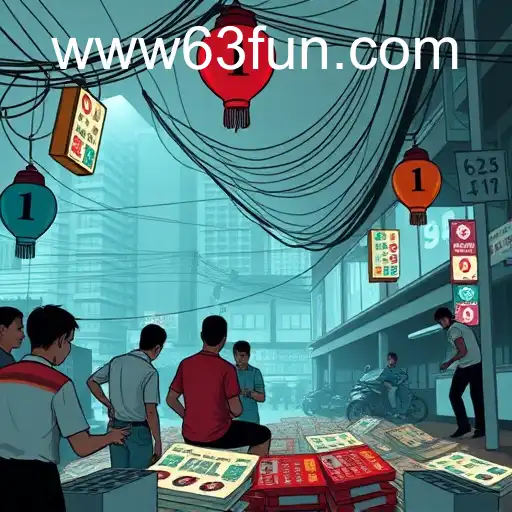
The Intricate World of Jueteng: A Deep Dive into the Game and its Impact
Jueteng, an illegal numbers game, has been a part of the societal fabric in certain regions worldwide, permeating communities with its complex blend of tradition, vice, and controversy. In this article, we explore the multifaceted dimensions of Jueteng, its pervasive influence, and its surprising connectivity to modern culture through keywords like 63FUN.
Understanding Jueteng
Originating in the Philippines, Jueteng is a numbers game that has often functioned as a barometer of sociopolitical climates. Despite its illegal status, it survives, fueled by community participation and the allure of winning. Central to Jueteng is the simplicity of its process, which involves players picking numbers and waiting for randomly drawn digits. The ubiquitous nature of this game means that it often appeals to the masses, particularly in low-income communities where it sometimes offers a glimpse of hope amidst economic hardship.
The Mechanics of Jueteng
The game's simplicity is key to its appeal. A player selects a combination typically composed of two numbers, ranging from 1 to 37, hoping that their number sequence reigns victorious in the daily draw. This draw itself is often shrouded in mystery, conducted in clandestine locations. Conductors of Jueteng, or "kubradors," roam neighborhoods, collecting bets from eager participants, echoing the practices found in other informal betting activities worldwide. Results are announced through unofficial channels, and winners often receive their payouts discretely.
The Cultural Embedment of Jueteng
Despite its illicit nature, Jueteng's enduring presence in society underscores a cultural acceptance that is both complex and controversial. It serves as a living testament to the ingenuity of communities finding solace in games of chance. In areas where earning potential is limited, the dream of a significant Jueteng win represents a viable albeit challenging path to financial relief. As such, Jueteng's influence extends beyond mere gambling, touching on realms of social mobility, aspiration, and, at times, desperation.
63FUN: Modern Connections
In an era where digital entertainment prevails, keywords like 63FUN draw unexpected parallels to Jueteng. While 63FUN encapsulates a form of online entertainment unparalleled in the past, it shares intrinsic ties with traditional gaming like Jueteng through its embrace of lottery-style anticipation and chance. The virtual domain opens up space for such traditions to be transmuted into modern contexts, demonstrating that the allure of gaming transcends both time and medium.
Controversies and Legal Challenges
The presence of Jueteng has frequently elicited governmental intervention, given its illegal classification. Authorities cite various reasons for its illegal status, chiefly its potential for fostering corruption and its risk of hindering economic progress through promoting reckless gambling. Yet, attempts to eradicate Jueteng have often failed when faced with its deeply entrenched status in local culture and community reliance on its economic lifeline.
Efforts at Legalization
In some instances, there have been propositions to legalize Jueteng under controlled circumstances, arguing that regulation could transform it into a source of legitimate revenue. Proponents suggest that redirecting proceeds into community development projects could offer more tangible benefits than continuous prohibition. Nonetheless, these discussions remain contentious, often mired in political and ethical debates over the societal implications of legalizing a historically illicit activity.
Jueteng's Role in Society
The game's enduring popularity points to the intricate dynamic it has with players and within the wider social landscape. In the absence of substantial economic opportunities, Jueteng functions as a parallel economy, providing informal employment and financial circulation within communities. This resilience highlights the necessity for nuanced understanding and acknowledgment of Jueteng's societal role beyond its superficial label as a vice.
The Future of Jueteng Amid Modern Gaming Trends
As the digital age propels entertainment into new formats, the essence of games like Jueteng perpetuates through cultural reinvention. Platforms leveraging the suspense of numbers games tie into global phenomena similar to 63FUN, which promise novel forms of engagement. An intriguing point to consider is the potential for traditional betting preferences to integrate with emerging technologies, thus opening discussions on the balance between heritage erasure and cultural adaptation.
Despite its contentious nature, Jueteng remains a prominent example of how illicit yet culturally embedded games persist across generations. Its impact spreads beyond that of a simple game of chance, interweaving with socio-economic narratives and generating debates on its potential future. Whether through legalization proposals or digital adaptations, Jueteng's capability to resonate continues to shape its evolving narrative, reinforcing its place within both local and broader contexts.